Why a total loss is a different documentation problem
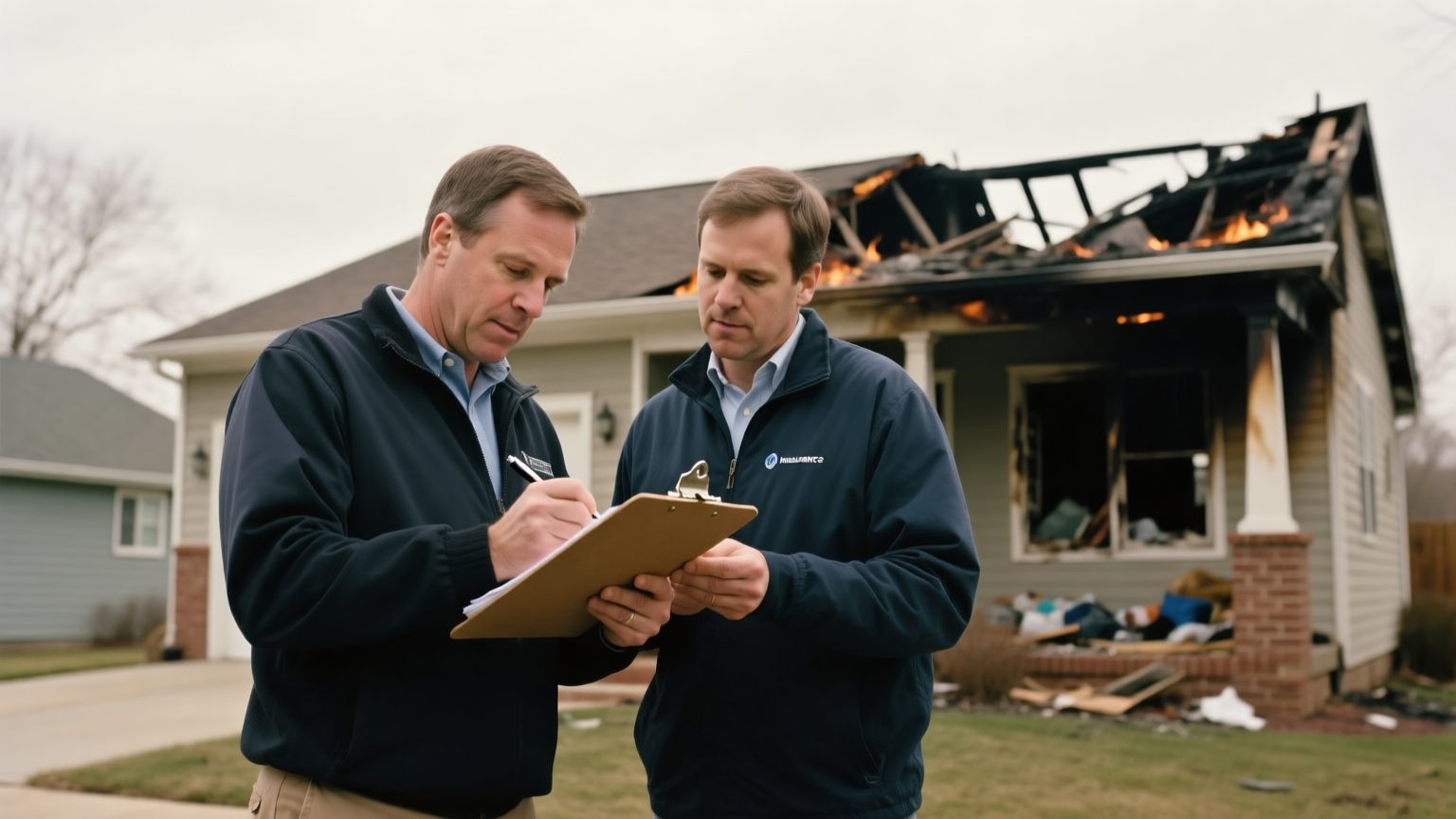
Most contents documentation starts with the item in front of you. You photograph it, read the label, and record what you see. A total-loss fire removes that starting point. The items are gone, the labels are ash, and the inventory has to be rebuilt from memory, from records, and from what the structure and the household can still tell you. That is a genuinely harder task, and it is the one that decides how a large fire claim goes.
The stakes are high because the contents portion of a total-loss fire is often large and detailed: a full household, room by room, sometimes two thousand items or more. Done carefully, it produces a complete, review-ready file. Done in a rush, it produces gaps that surface later as reductions or requests for more information. The goal is the same as any contents claim, a list a carrier can review without a fight, but the path to it runs through reconstruction rather than observation.
Work room by room, from memory and records
The reliable method is to rebuild the home in the mind and on paper, one room at a time, because memory organized by space recovers far more than a blank list ever will. Walk each room mentally: what was on the walls, in the closets, in the drawers, on the counters. A structured checklist keeps this from missing whole categories, and our room-by-room contents inventory checklist for homeowners is built for exactly this pass.
For each item, capture what a reviewer will later need: a specific description, brand and model where you can recall it, quantity, approximate age, and condition before the loss. The more specific the memory, the more defensible the value that follows. "Kitchen appliances" is a placeholder. "Five-year-old stainless French-door refrigerator, mid-range brand" is a line that can be priced and reviewed. This same specificity is what a fire-documentation process is designed to capture, and the wider workflow is covered in our guide to documenting contents after a fire.
Rebuild the evidence, not just the list
A list of items from memory is a start, but a reviewer approves values, and values need sources. Three kinds of evidence can be rebuilt even when the items themselves are gone.
| Evidence source | How to recover it after a total loss | What it supports |
|---|---|---|
| Purchase receipts | Request duplicates from merchants, banks, and card statements | Original item, brand, and purchase date |
| Pre-loss photos | Phones, cloud backups, social media, family and friends | Proof the item existed and its condition |
| Current retailer listings | Price the same or a like kind and quality item today | The replacement cost value for each line |
| Registry and account histories | Retailer order histories and online registry tools | Reconstructing what was owned and its detail |
Card statements and merchant records can often produce duplicate receipts even when the originals burned. Cloud photo backups and messages frequently hold images of rooms and items taken long before the loss. And current retailer listings supply the price. Each of these is a source a reviewer can check, which is what turns a from-memory list into a defensible one.
Value each item at replacement cost, then depreciation applies
Contents on a total-loss fire are valued the same way as any covered loss. Each item gets a replacement cost value, the cost to replace it new with a like kind and quality item at today's prices. Many policies then pay actual cash value first, which is the replacement cost minus depreciation for age and condition, and release the remaining recoverable depreciation after items are actually replaced and proof is submitted. Your policy language is what governs how and when replacement cost value is paid, so read it or have it read before you rely on any general rule.
Pricing from memory is where the like kind and quality standard matters most. Replace what was there, not an upgrade and not a downgrade. A reviewer will check that the item you priced is a fair equivalent of the one described, so the description and the price have to agree. Where the exact model is gone from memory, a close current equivalent at similar features and grade is the right substitute.
Assemble it into a proof of loss
The finished product of all this reconstruction is an itemized personal property schedule that supports a proof of loss. Each line carries its description, quantity, age, condition, replacement cost, and the source behind the value, so the schedule can be reviewed without a request for more backup. What carriers actually need in that document is spelled out in our guide to proof of loss for contents. A total-loss schedule built to that standard is what keeps a large fire claim moving.
Where the volume becomes the problem
Reconstructing a handful of items from memory is hard but finite. Reconstructing an entire household, then pricing every line at a current like kind and quality value with a recorded source, is where a total-loss fire consumes days and where consistency slips under the weight of the list. This is the work ContentsIQ is built to assist. From the item descriptions a homeowner or adjuster provides, and from any surviving photos and files, it drafts specific descriptions, researches current replacement cost values, and records the source behind each item, then routes every line to a professional review queue. Items it cannot resolve are flagged for a person rather than guessed. It does not replace the adjuster or the homeowner's judgment, it is not a public adjuster, and it makes no promise about payout amounts. It handles the repetitive valuation and documentation so the people on the claim can focus on what only they can do: remember accurately and review carefully. Because it works from uploaded photos and claim files, how ContentsIQ handles security matters here, and more guides on documenting a loss are on the ContentsIQ blog. To walk through a specific total-loss workflow, you can talk to ContentsIQ.
For outside guidance on building a total-loss inventory, the practitioner walkthroughs from a public-adjustment law firm on completing a total-loss inventory list and the nonprofit United Policyholders contents claim tips are useful references for homeowners and professionals working a fire loss.